Why Crawl Space Mold Removal Needs More Than Just Bleach
The Hidden Problem Under Your Home
If your home sits on a crawl space, you already know it is not a finished basement. It is a dark, damp gap between the ground and your floor joists. That space is the perfect breeding ground for fungus and mildew. Over the years I have seen crawl spaces get ignored until the smell seeps up through the floorboards. By then, the mold has already spread to the subfloor and into the walls. A proper crawl space mold removal plan does not start with a spray bottle. It starts with understanding why the moisture is there in the first place.
I remember walking under a house in Fort Worth where the homeowner had been using bleach every few months. The surface looked cleaner, but the mold kept coming back. That is because bleach does not kill mold on porous surfaces like wood and drywall. It only bleaches the color away. The roots, called hyphae, stay deep in the material. Within weeks the mildew returns. Real crawl space mold removal requires mechanical cleaning, HEPA filter vacuuming, and often removal of contaminated materials. You cannot shortcut the process.
Moisture Control Is the Real Battle
The number one cause of crawl space mold is uncontrolled moisture. You can scrub every surface, but if the crawl space stays humid, the mold will recolonize. That is where moisture control comes in. A vapor barrier on the dirt floor stops ground moisture from rising into the air. Foundation ventilation lets that air exchange with the outside. In Fort Worth, where summers are humid and heavy rain is common, you need both.
I once worked on a commercial property that had a sump pump that failed every spring. The crawl space would flood, and within days the walls were covered in black spots. The remediation crew had to remove the wet insulation, dry the space with industrial dehumidifiers, and then treat the wood with an antimicrobial solution. After that, we installed a new sump pump with a battery backup and sealed the crawl space floor with a thick vapor barrier. The mold never came back. That is the difference between a quick clean and a real solution.
Mold Inspection Comes First
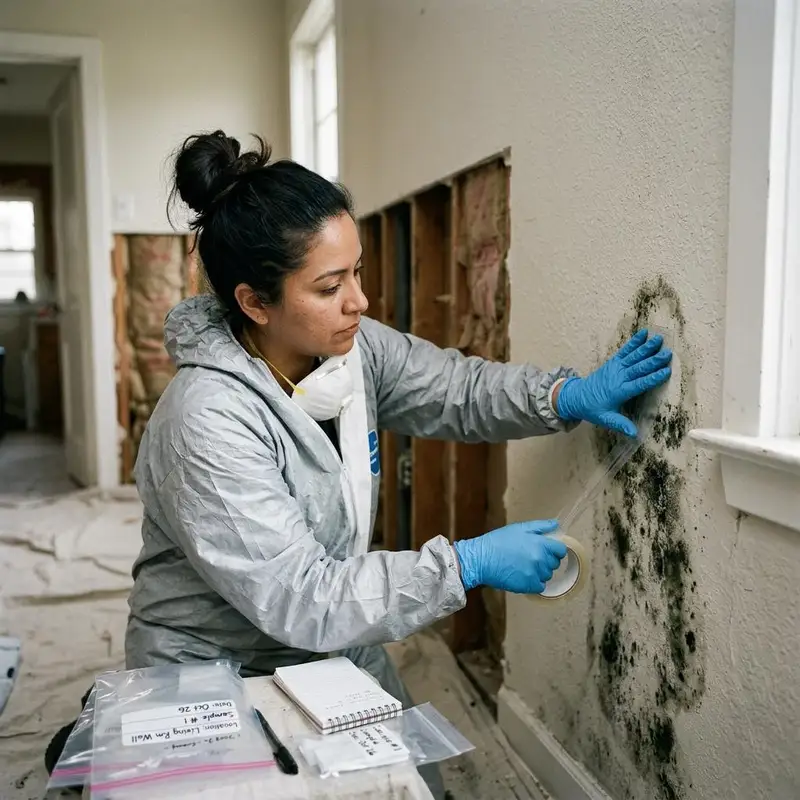
Before any removal work begins, a mold inspection tells you what you are dealing with. Is it surface mildew or deep structural fungus? Is the air quality already compromised? An inspector will check humidity levels, look for water damage, and sometimes take air samples. In residential properties, the crawl space is often the worst offender because people forget it exists. In commercial properties, the stakes are higher because employees and customers breathe that air.
During one inspection in a Fort Worth office building, we found a hidden leak in a pipe that had been dripping for months. The crawl space below had a thick layer of mold on the joists and the subfloor. The building manager had no idea because the space was sealed off. A full mold inspection caught it early. The remediation took three days, but it saved the company from a major air quality lawsuit.
Chemical vs. Non-Chemical Approaches
There is a common belief that mold removal means spraying something strong. But chemicals have limits. Bleach is not effective on wood, and some biocides can off-gas for days. For crawl space mold removal, I prefer a combination of HEPA filter vacuuming, scrubbing with a mild detergent, and then applying an encapsulant. Encapsulation means covering the treated surface with a sealant that locks any remaining spores inside. It is not a substitute for removal, but it works well on wood that cannot be replaced.
In some cases, the best option is to remove the damaged material entirely. If the subfloor is rotting, no amount of cleaning will fix it. You cut out the bad wood, replace it, and then treat the new wood with a fungicide. This is especially true in older Fort Worth homes where crawl spaces were built without any moisture control. The dirt floor is bare, the vents are blocked, and the mold has had decades to grow.
The Role of Equipment
Good crawl space mold removal depends on having the right tools. A HEPA filter vacuum is essential because it traps spores instead of blowing them around. A dehumidifier running during and after the job keeps the space dry while the treatment dries. In crawl spaces with standing water, a sump pump gets the water out fast. For ventilation, I have seen people rely on fans, but proper foundation ventilation requires permanent vents or a mechanical system.
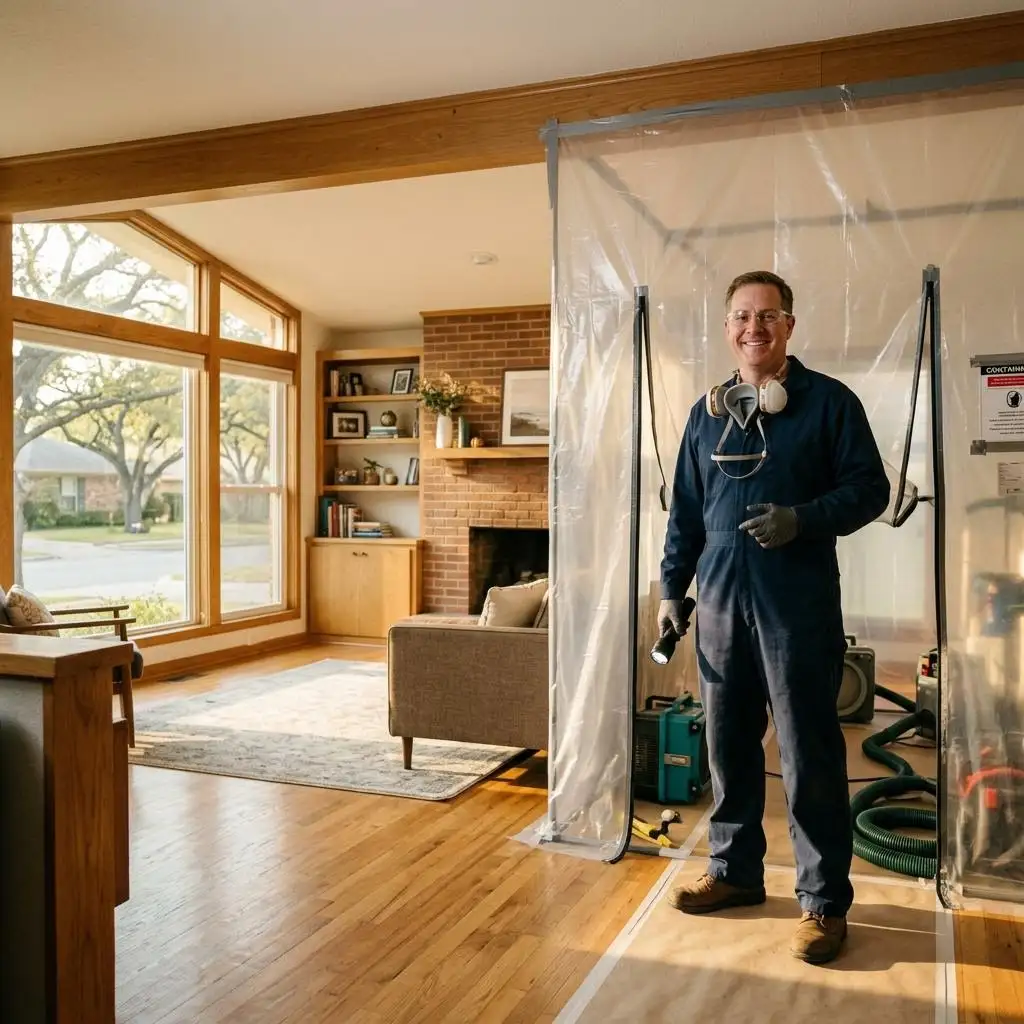
I once had a job where the crawl space was so tight I could only fit a small vacuum and a sprayer. The homeowner had tried to fix the moisture problem by closing the vents. That made everything worse. The space became a sealed humid box. We had to open the vents, install a dehumidifier, and then do the removal. It took twice as long because the air was so damp. If you are planning crawl space mold removal, make sure the space is dry first.
Prevention After Removal
Once the mold is gone, the work is not over. Prevention means keeping the crawl space dry year-round. A vapor barrier on the ground stops moisture from evaporating up. Foundation vents should be open and unblocked. If the crawl space floods during heavy rain, a sump pump with a backup battery is a smart investment. I also recommend a dehumidifier for crawl spaces in humid climates like Fort Worth. It does not have to run constantly, but it should kick on when humidity rises above 60 percent.
For residential properties, simple steps like extending downspouts away from the foundation and grading the soil so water runs away from the house make a huge difference. For commercial properties, regular inspections every six months catch small problems before they become big ones. The cost of moisture control is nothing compared to the cost of structural damage and health issues from mold.
When to Call a Professional
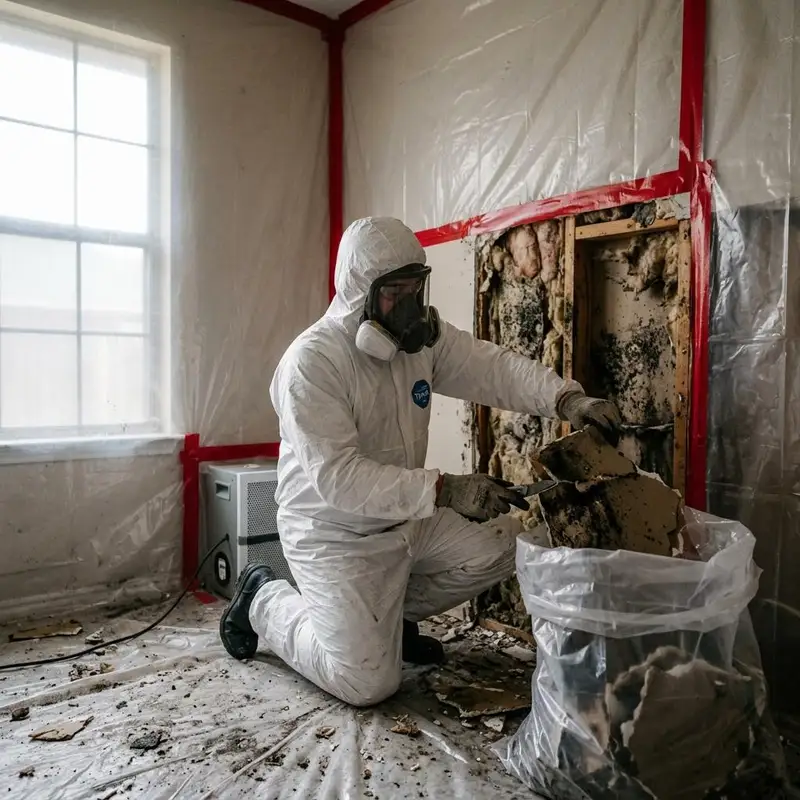
Some homeowners try to handle crawl space mold removal themselves. If the area is small and the mold is surface-level, that can work. But if the mold covers more than ten square feet, or if you suspect it is inside the walls, call a professional. Mold remediation specialists have the equipment and training to do it safely. They also know how to contain the spores so they do not spread to the rest of the house.
I have seen DIY attempts go wrong. A man in Fort Worth tried to clean his crawl space with bleach and a garden sprayer. He wore a dust mask, but the spores still got into his HVAC system. Within a week, every room in the house had a musty smell. He ended up paying for a full remediation that cost four times what the original job would have. Professional crawl space mold removal means containment, proper disposal, and a guarantee that the problem is solved.
Final Thoughts
Crawl space mold is not just an eyesore. It affects the air quality of your entire home or business. The fungus that grows in that dark space produces spores that travel through the building. People with allergies, asthma, or weakened immune systems suffer the most. If you smell mildew or see water damage near the floor, do not wait. Get a mold inspection, fix the moisture problem, and remove the mold the right way.
The crawl space may be out of sight, but it should never be out of mind. A dry, well-ventilated crawl space is the foundation of a healthy building. And if you are in Fort Worth, where the humidity and rain create perfect conditions for mold, staying on top of it is the only way to keep your property safe.